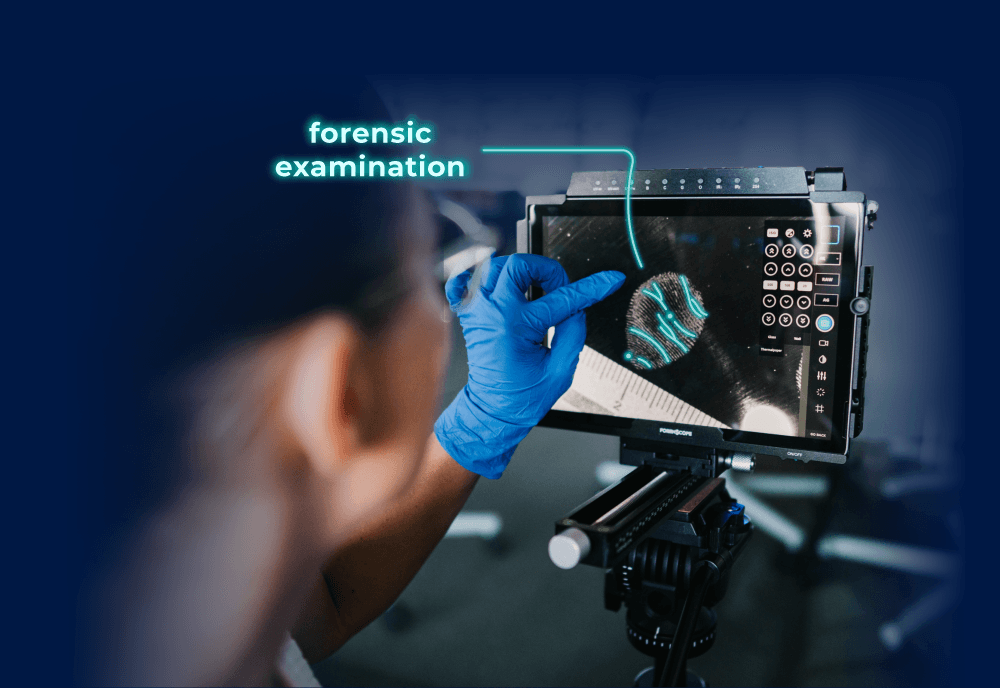
Image Capture
The first step is to capture an image of the fingerprint. This is typically done using specialized fingerprint scanners, which may utilize different technologies such as optical, capacitive, or ultrasound.
Innovatrics fingerprint recognition is trusted worldwide by governments and businesses for its speed and accuracy, and consistently a top performer in independent biometric benchmarks such as NIST.
Talk to our team
: Check the email account used during the original purchase for an Order Receipt .
Have a working ACDSee 5.0 installation on a retro PC? Let us know in the comments how you kept it running.
: Like classic ACDSee, IrfanView is incredibly lightweight, opens instantly, and supports almost every image format in existence through optional plugins. 2. FastStone Image Viewer Best For : Interface familiarity and basic editing. Price : Free for home use.
Instead of risking your digital security for 24-year-old software, consider modern, free alternatives. These programs match the speed of ACDSee 5.0 without the licensing headaches. 1. IrfanView acdsee 5.0 trial extension code
ACDSee 5.0 remains a nostalgic favorite for users who prefer lightweight, classic photo management software over modern, subscription-based alternatives. Released in the early 2000s, this specific version is well-known for its speed and simplicity. However, users running the trial version often search for an "ACDSee 5.0 trial extension code" to prolong their use without purchasing a license.
ACDSee 5.0 is a legacy version of the software, and officially, . ACDSee products typically offer a standard free trial period (usually 30 days) to test the software's features before purchase. If your trial has expired, your options are:
However, looking for a trial extension code online poses significant security risks. It is also technically unnecessary today. The Reality of Trial Extension Codes : Check the email account used during the
Most websites claiming to offer "trial extension codes" or "keygen.exe" files for ACDSee 5.0 are hosting outdated or malicious software. Because the software is so old, these sites often package malware with the downloads.
Using unauthorized license keys violates software copyright laws and user licensing agreements. Legitimate Ways to Extend a Trial or Get Support If you genuinelyContact Customer Support
These paths offer a better experience without compromising your security or breaking the law, making them the only "trial extension" truly worth your time. : Like classic ACDSee, IrfanView is incredibly lightweight,
: It was built for Windows XP and can struggle with modern Windows 11 file scaling and high-resolution displays.
Even with this thorough approach, some trial counters are designed to survive a simple reinstall, which is why more specialized tools like Trial‑Reset became popular in the first place.
If you love ACDSee 5.0 for its speed, there are modern, 100% free alternatives that mimic that classic "snappiness" without the need for trial codes: The gold standard for lightweight viewing.
What of ACDSee 5.0 do you use the most (e.g., fast viewing, batch renaming, file organization)?
Fingerprint identification is the most widely adopted biometric worldwide, with legal frameworks and standards already in place.
Massive fingerprint archives already exist in law enforcement, border agencies, and civil registries, making integration faster and more effective.
Simple and inexpensive devices can capture fingerprints instantly, in almost any environment, making it easy to deploy at scale.
Proven over decades of forensic and civil use to deliver consistent, reliable matches, even from partial or low-quality fingerprints.
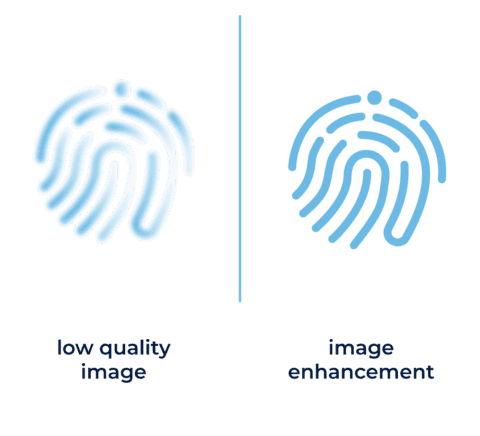
The first step is to capture an image of the fingerprint. This is typically done using specialized fingerprint scanners, which may utilize different technologies such as optical, capacitive, or ultrasound.

Once the fingerprint image is captured, the system extracts specific features from it. These include ridge endings, minutiae, bifurcations, and other unique characteristics of the fingerprint.
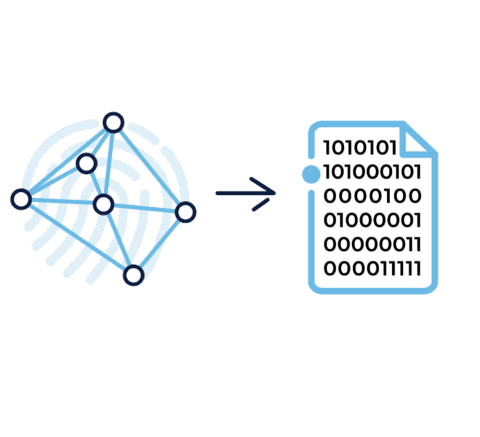
The extracted features are then used to create a digital template of the fingerprint, capturing its unique attributes and making it easier to compare with other records.
1:1 fingerprint verification is the process of confirming whether a captured fingerprint matches a single enrolled record. Instead of searching across an entire database, the system only checks if the person is who they claim to be. It requires extremely high accuracy, since even small errors can lead to false rejections or unauthorized access.
This type of verification is used every day for secure and convenient authentication. Employees can clock in at work using fingerprint readers, while civil registries rely on it to ensure a person’s claimed identity matches the records on file. It’s fast, simple, and reliable, and one of the most widely adopted biometric methods worldwide.

1:N fingerprint identification is the process of taking a single fingerprint sample and comparing it against a large database of stored prints to discover someone’s identity. Because the search may involve thousands or millions of records, systems need to be fast enough to deliver results instantly, and precise enough to avoid false matches.
In real-world use cases, 1:N identification is vital for law enforcement, border security, and civil ID systems. Investigators can take latent prints from a crime scene and search it against national databases to identify a suspect. Border agencies can instantly check a traveler’s fingerprints against watchlists. Civil registries use it to prevent duplicate enrollments and ensure every citizen is registered only once.

Since 2004, Innovatrics have consistently ranked among the best in the world in independent biometric benchmark evaluations and certifications.
A key benchmark for evaluating fingerprint template generation and matching. High MINEX scores demonstrate interoperability and accuracy, critical for large-scale ID systems and border control programs.
Evaluates the accuracy and speed of proprietary fingerprint matching algorithms. Strong PFT II results demonstrate top performance in native systems, essential for forensic and high-security applications.
Essential for law enforcement working with latent fingerprints, where prints are often partial or low quality. Strong ELFT performance ensures faster, more accurate suspect identification.

In national ID programs, fingerprint recognition makes sure every citizen has one unique and verifiable identity, building trust in government services and enabling secure digital access.
Find out how
Our passion for technology brings biometric benefits to millions of people.