
A complete gesture system
Discover 30 easy-to-use window, dock and menubar gestures that will change your workflow forever.
Swish supports Magic Trackpad, Magic Mouse and keyboard shortcuts.
★ 4.9 / 5 * --- ● Ready for macOS 26
Supercharge your Mac with magical trackpad gestures.
Discover 30 easy-to-use window, dock and menubar gestures that will change your workflow forever.
Swish supports Magic Trackpad, Magic Mouse and keyboard shortcuts.
Snap windows with a quick swipe on their titlebar instead of dragging them to the edge.
Supports 2×2, 3×2 & 3×3 grids and works with ←↑↓→ and WASD keys.
Still clicking buttons?
Pinch in to close
Swipe down to minimize
Pinch out to go fullscreen
Swipe to instantly move windows between screens based on their physical location in your multi-monitor setup.
Working with spaces also gets a major productivity boost.
Your desktop never looked so clean. Swish is the only window manager to truly honor the macOS look.
Drag the divider to resize multiple windows at once.

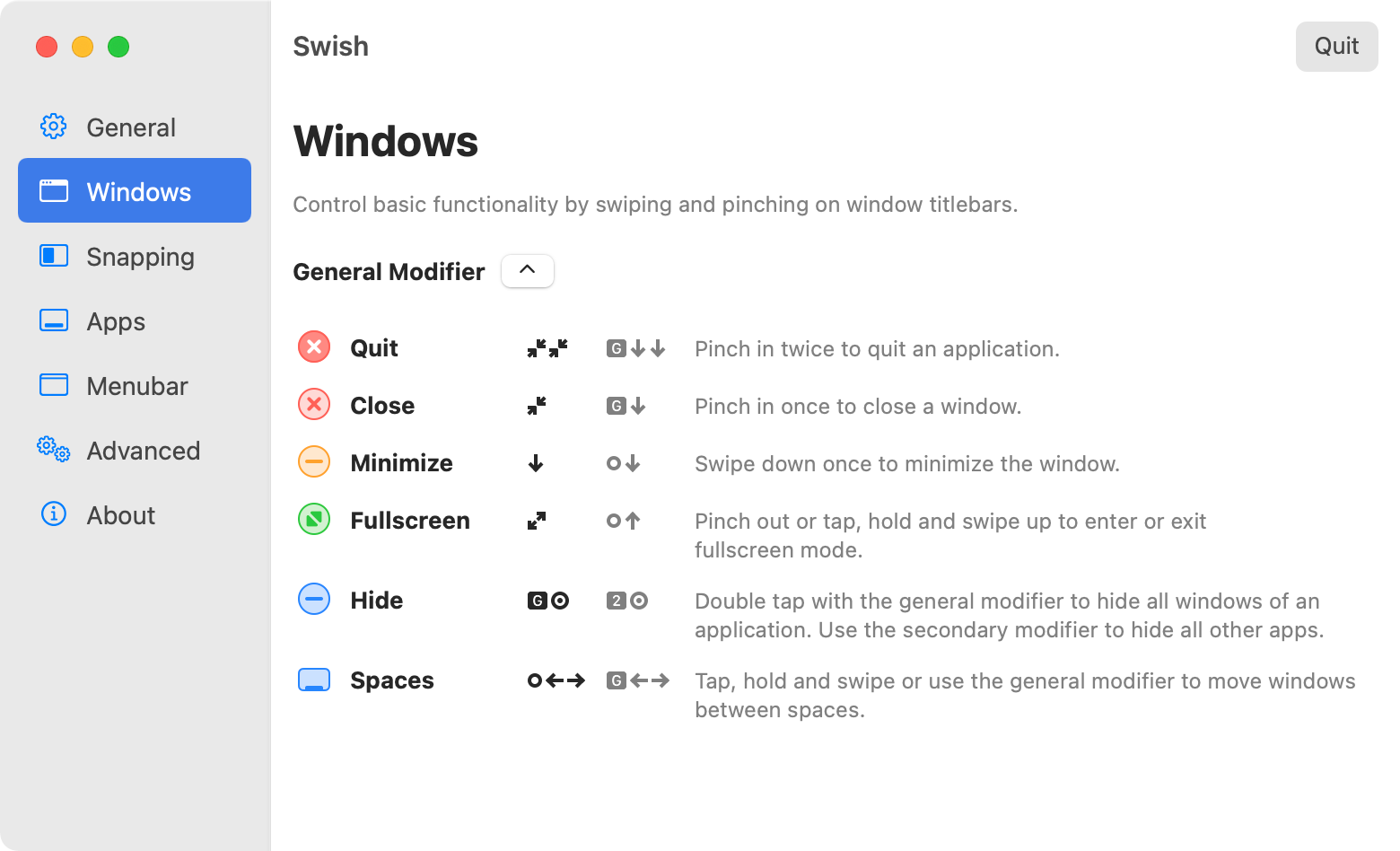
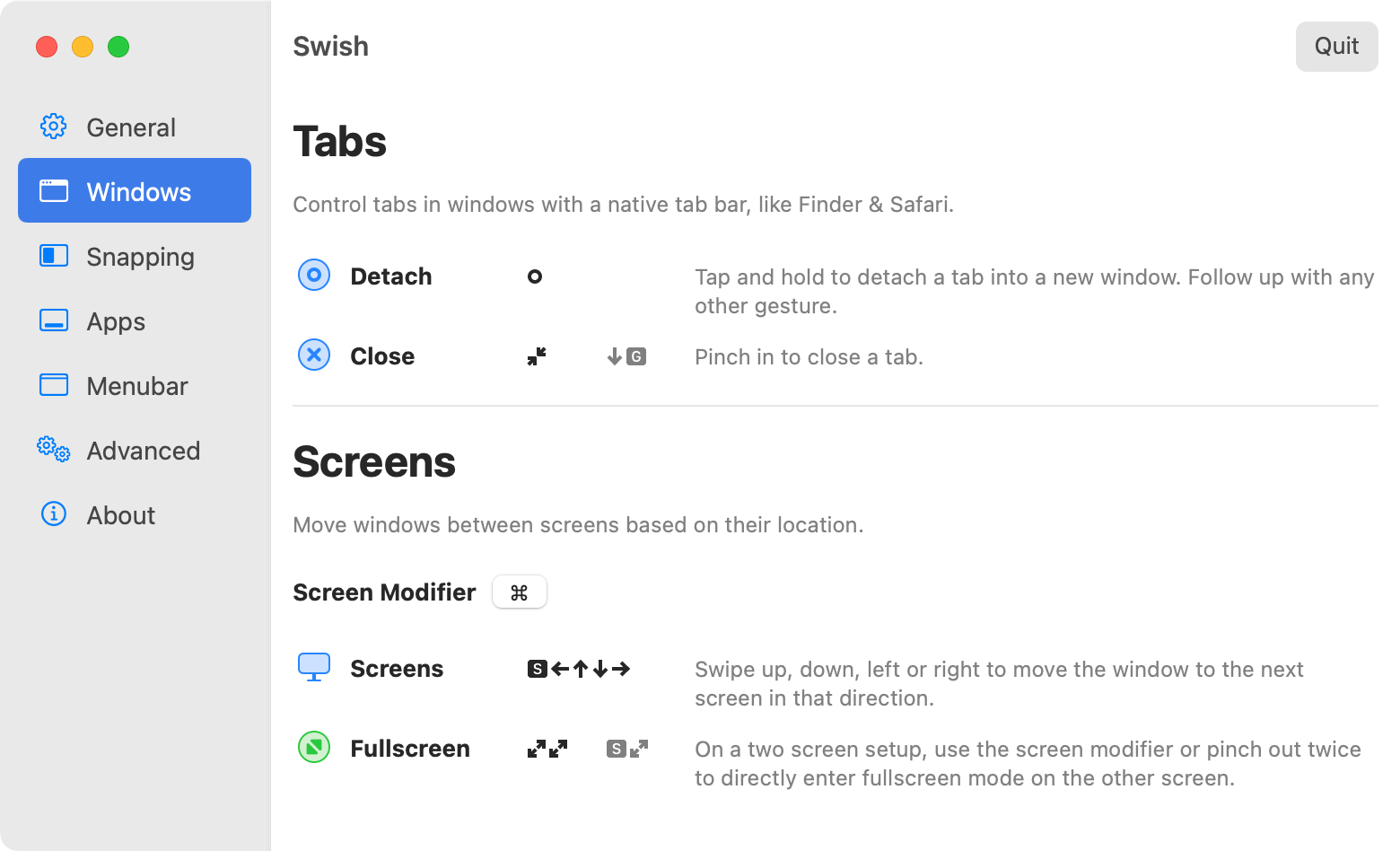
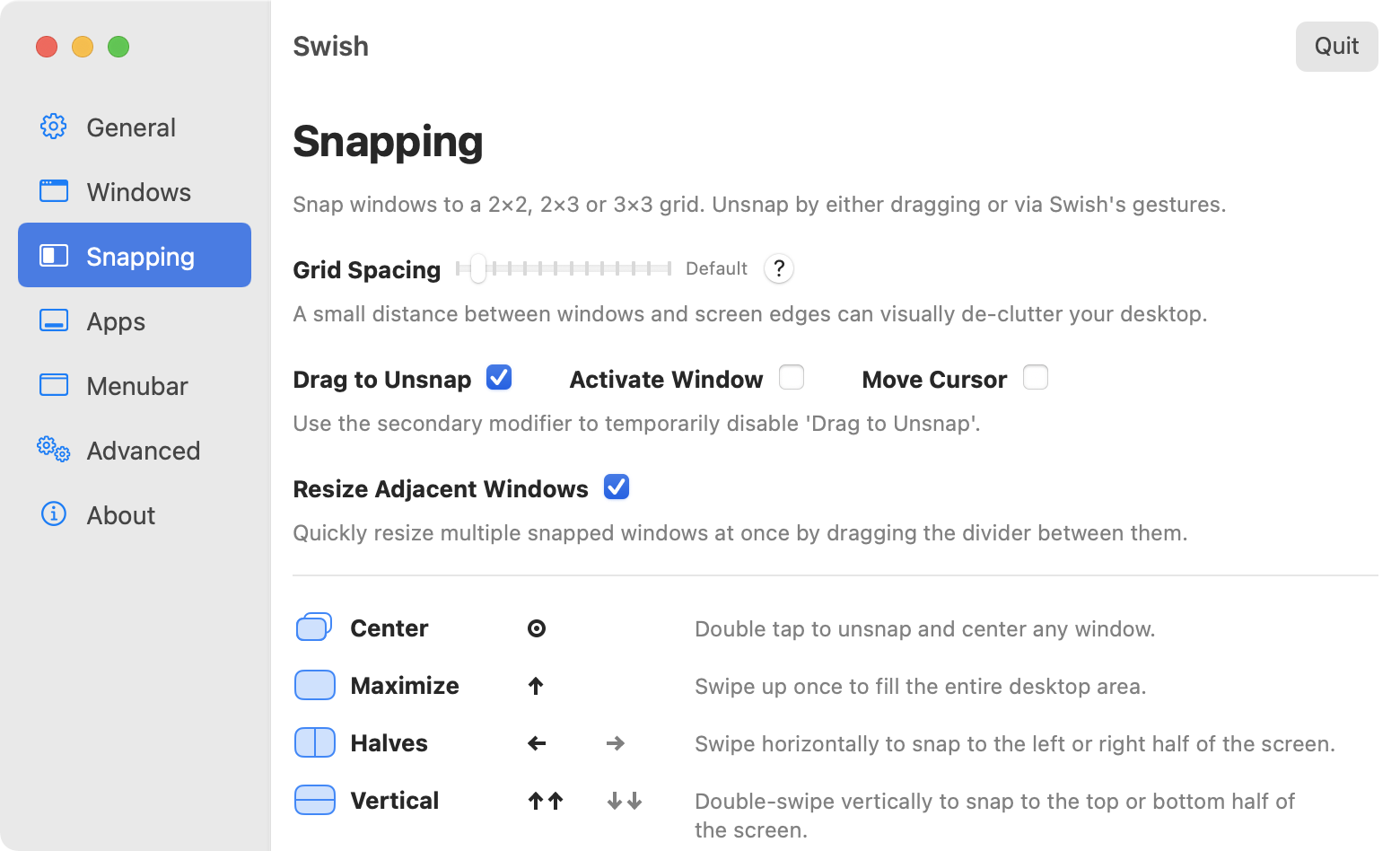
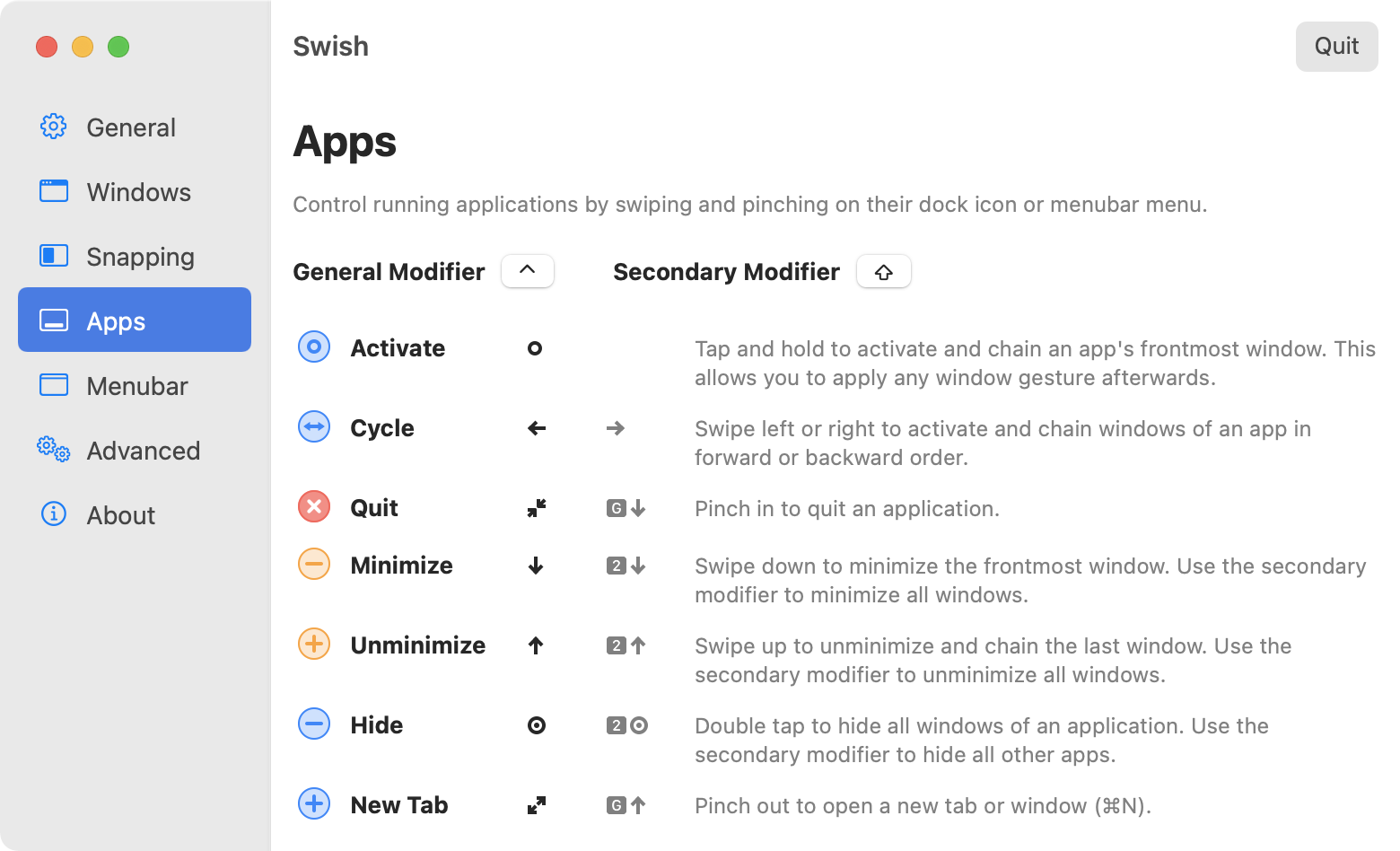
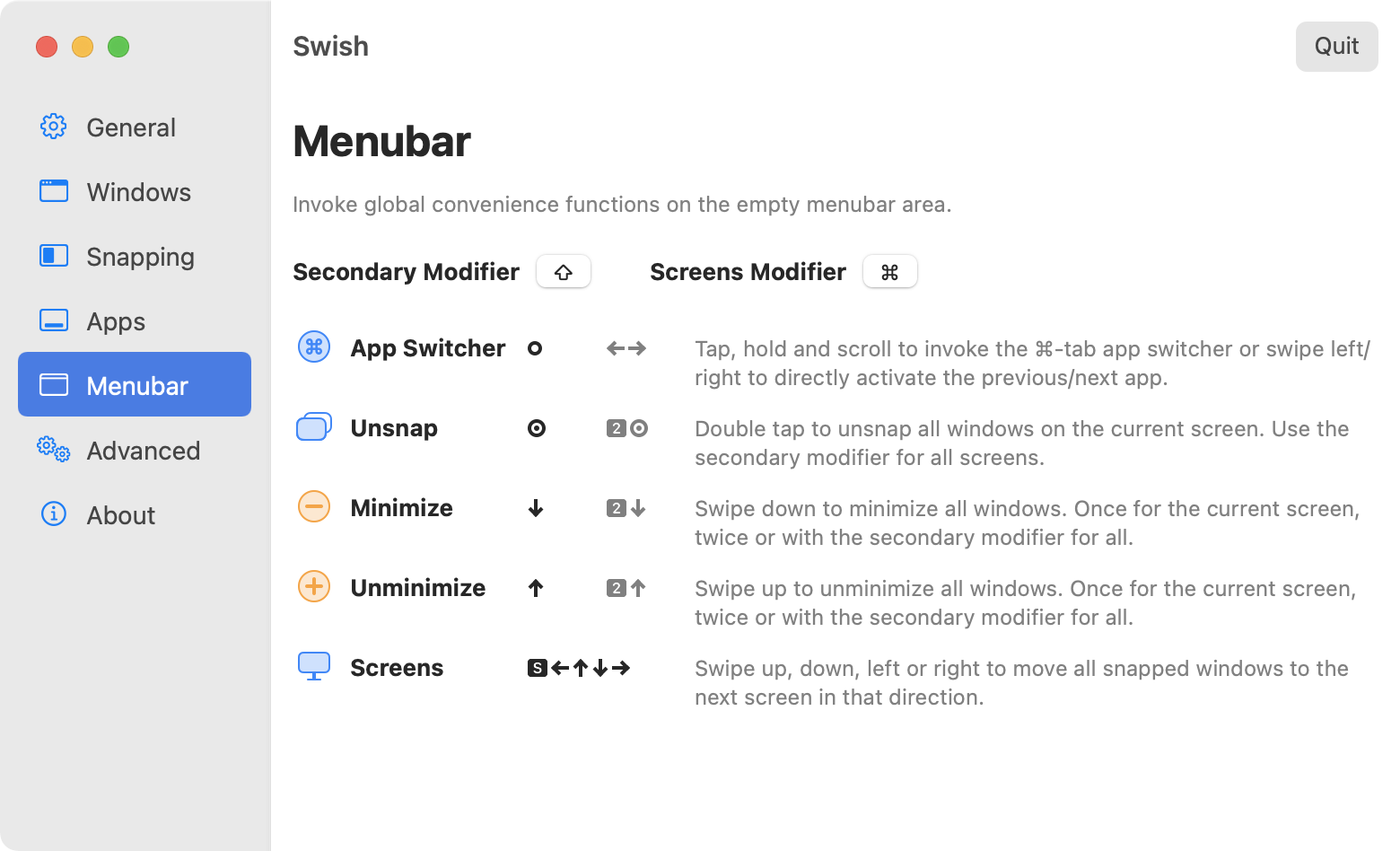
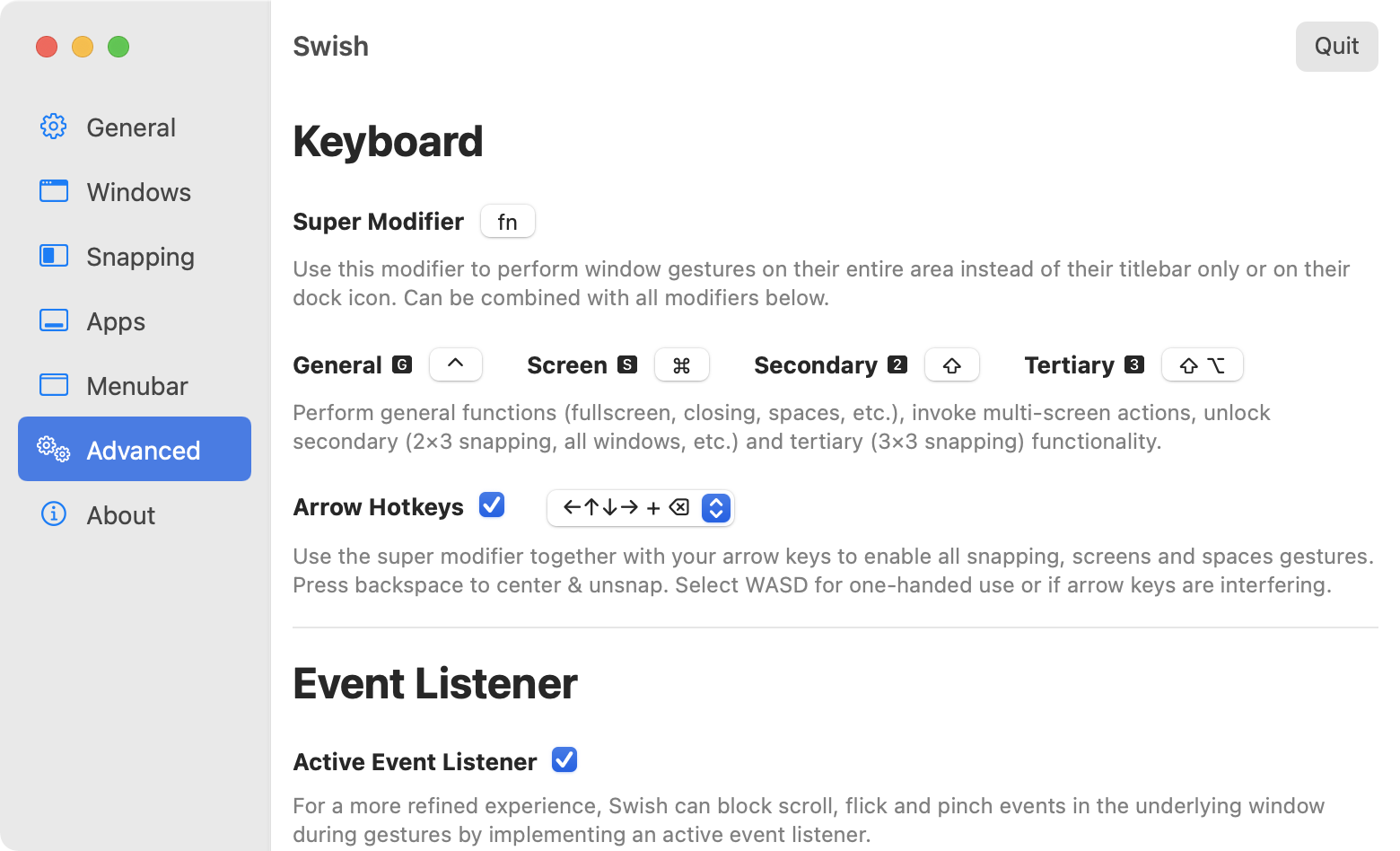
The settings window explains everything in detail. Gestures can be toggled on or off.
There's also a quick tutorial to get you started.

BifurcatedTales
Tarun A.
Eric T.
Lisa C.

This classic psychological dynamic is highly effective in fiction. One sibling can do no wrong, while the other is blamed for the family’s systemic failures. The complexity deepens when the Golden Child feels suffocated by pressure, and the Scapegoat finds a rebellious form of freedom in their exile. The Parentified Child
The black sheep blamed for every systemic family failure.
A classic catalyst where an estranged member returns, forcing the family to confront the version of themselves they tried to leave behind. 3. Evolutionary Tension Modern drama has shifted from simple "good vs. evil" to competing needs
Family drama has been a staple of television programming for decades, captivating audiences with its intricate web of relationships, secrets, and scandals. From classic soap operas to modern-day prestige TV, family drama storylines have evolved to reflect the complexities of real-life family dynamics. In this article, we'll delve into the world of family drama, examining the ways in which complex family relationships and storylines have become a hallmark of the genre. srpski pornici za gledanje klipovi incest
To build compelling family drama, narratives rely on specific, deeply layered relationship dynamics. The Golden Child vs. The Scapegoat
A seemingly ordinary family is forced to confront buried secrets, shifting loyalties, and the invisible debts between generations when an external event (inheritance, illness, reunion, betrayal) destabilizes their fragile equilibrium.
A spouse, friend, or therapist who sees the family clearly. Their tragedy: they cannot save anyone, only survive being near the wreckage. This classic psychological dynamic is highly effective in
Example: “We don’t talk about Uncle Leo’s money.” When one family member breaks the silence, the entire emotional economy collapses.
To build a compelling family narrative, writers often lean into specific archetypes that create natural friction:
Whether you are writing a pilot, a novel, or simply trying to survive the holidays, understanding these dynamics transforms family drama from a cliché into a catharsis. The Parentified Child The black sheep blamed for
Modern complex family drama storylines often introduce a philosophical clash: the blood family (who shares your DNA) versus the chosen family (who shares your values).
The tone should be professional and insightful, but engaging—like a masterclass or a deep-dive feature. I'll start by validating the universal appeal of the topic, then move into core psychological hooks (love/hate, roles, loyalty). Next, break down common but effective tropes (the prodigal, the golden child, secrets), as these are the building blocks of storylines. After that, discuss the narrative structures that escalate drama, like the catalyst event or pressure-cooker settings. Finally, I should offer practical techniques for creating authenticity—showing not telling, mixed motivations—and conclude with a nod to how these stories resonate with real human complexity.